When Should You Schedule Shrub Trimming for Your Yard?

You planted those bushes along the front walkway three years ago, and now they are swallowing the porch railing. Or maybe the overgrown holly along the fence line has grown wild enough that your dog disappears into it. Either way, you know the shrubs need attention; you just are not sure when to cut them back without accidentally killing them or setting them back for the season.
Getting the timing right matters more than most homeowners realize, especially here in western Pennsylvania where the growing season, frost dates, and soil conditions all play a role in how plants recover from pruning. If you are a homeowner in Westmoreland County trying to figure out the right window, this post lays it out in plain terms. Our team at Dombrowski Projects handles trimming alongside full-property Landscaping & Lawn Care, so we have learned what timing actually looks like on the ground here, season by season.
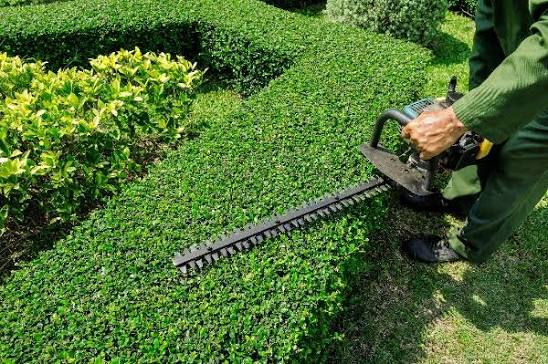
Why Western PA's Climate Makes Your Shrub Trimming Schedule Different
The shrub trimming schedule in western PA is not the same as what you would follow in Virginia or Ohio, and that difference is real. Western Pennsylvania's freeze-thaw cycle is one of the most aggressive forces working against your landscape. Temperatures cross the freezing threshold repeatedly throughout winter and into early spring, and every time that cycle runs, it stresses the exposed tissue at fresh cut points on shrubs. Trim too late in fall and you are leaving new growth vulnerable to that pattern. Trim too early in spring, and you risk cutting off the buds that are already setting before the ground has stabilized.
Westmoreland County sits in a climate band where late frosts are common well into April. Homeowners in Greensburg and Murrysville see spring arrive a few days later than Pittsburgh neighborhoods closer to the river, and that variance matters when you are deciding whether a particular week is safe for pruning. The general rule for most deciduous and broadleaf shrubs in this region is to wait until overnight lows are consistently staying above freezing before making any aggressive cuts. Knowing your yard's specific microclimate shapes that decision further, since a hillside property, a low-lying area prone to cold air pooling, and a yard next to a windbreak all behave differently even within the same zip code.
The Real Reason Timing Mistakes Happen in Yards Like Yours
Most homeowners trim their shrubs based on how the yard looks, not how the plant is actually performing. That is understandable. When something looks overgrown, the instinct is to cut it back. The problem is that many shrubs, especially the flowering varieties common across western PA yards like forsythia, azalea, and rhododendron, set next season's blooms on wood that grew in the current year. Cutting them at the wrong time means you get tidy-looking shrubs in late fall that produce no flowers the following spring.
The tension most homeowners face is between keeping the yard presentable and giving the plant what it actually needs to thrive. Shrubs that bloom in early spring should be trimmed immediately after they finish flowering, usually in late May or early June in this region. Shrubs that bloom in summer or fall are better trimmed in late winter or very early spring before new growth begins. Non-flowering shrubs used for structure and privacy, with arborvitae, boxwood, and yew as common examples, have more flexibility, but still benefit from being trimmed during cooler parts of the growing season rather than during summer heat stress.
Neglect is its own problem. When shrubs go multiple seasons without attention, the woody interior becomes dense, airflow drops, and disease pressure increases. Cutting back severely overgrown shrubs is not a single-season fix. It is typically a multi-year process done in stages so the plant is not shocked all at once.
How Spring and Fall Windows Work Differently for Shrub Care
Spring trimming is about setting the plant up for its most productive growing months. For most structural shrubs in Westmoreland County yards, late March through mid-May is the practical window once the threat of a killing frost has passed and the plant is showing signs of new bud activity. Light shaping during this period encourages dense, full growth through summer rather than leggy, uneven branching.
Fall trimming is a different mindset. The goal shifts from promoting growth to managing size and preparing the plant for dormancy. Light cuts in September and early October are generally safe. Aggressive trimming after mid-October pushes the plant to produce new growth that will not harden off before the first frost arrives, leaving it vulnerable to winter damage.
What Light Trimming Versus Hard Pruning Actually Means
Light trimming removes the outermost growth, usually no more than a third of the current season's extension, to maintain shape and encourage branching. It is the kind of work you do annually to keep a hedge looking tight or a foundation shrub from growing into a window. Hard pruning cuts deep into older wood, sometimes removing a significant portion of the shrub's canopy, and is used when a plant has been neglected, is diseased, or needs to be reduced substantially in size.
Hard pruning carries real risk if done at the wrong time or without understanding the plant's species and root system. Shrubs that have not been maintained in several seasons often have root systems that are not strong enough to support a sudden flush of regrowth from an aggressive cut. In those cases, a phased approach, trimming back a third each year over three years, produces better long-term results.
Why Adjacent Yard Work Affects Shrub Health
If your property has other landscaping work planned, the sequence of that work matters. Significant grading or excavation near established shrubs can disturb root zones in ways that make plants less resilient to pruning stress. Major soil disturbance and aggressive pruning in the same season is hard on plants, so coordinate the work so shrubs have time to stabilize.
Similarly, properties where Excavation & Site Work or Site Clearing is being done nearby should account for how root compaction from equipment traffic affects shrub vitality. If your project also involves broader land prep, our landscaping services can be coordinated alongside that work to keep the sequence right for your plants.
What Shrub Trimming Actually Costs and What Drives the Price
Pricing varies based on the number of plants, their size and species, how long they have gone without maintenance, and how accessible they are. A front bed with five well-maintained boxwoods takes far less time than a property line with a dozen overgrown hollies growing against a fence. Properties in North Huntingdon and Murrysville with larger lot sizes and more established plantings tend to require more time per visit than compact suburban lots.
At Dombrowski Projects, we provide transparent, upfront estimates before any work begins. There are no hidden fees and no surprises when the job is done. If you call us about trimming and the conversation turns to a larger landscaping need, we will walk through every line of the scope with you before a single cut is made.
The Detail That Separates a Good Trimming Job from a Damaging One
Tool quality and technique matter more than most people expect. Dull blades crush plant tissue rather than cutting it cleanly, leaving wounds that heal slowly and invite disease. Clean, sharp cuts made at the right angle to the branching pattern are what actually produce healthy regrowth. A crew that moves fast with dull equipment can leave a yard looking tidy from the street while setting the plants back for the next two seasons.
The other detail worth watching is cleanup. Trimmings left on the ground around the base of shrubs trap moisture and can harbor fungal issues, particularly during western PA's humid summers. A thorough job includes removing all clippings from the bed, not just what is visible at a glance.
FAQ
When is the best time to trim shrubs in western Pennsylvania?
The two reliable windows are late spring after flowering has finished and late winter just before new growth begins. The specific week depends on species, local frost dates, and whether the plant blooms on old or new wood. Most Westmoreland County homeowners are safe starting light trimming in April and heavier work in May.
Will trimming my shrubs at the wrong time kill them?
Rarely, for a healthy established shrub. It can cost you a season of flowers, weaken the plant's ability to handle summer heat or winter cold, and encourage uneven growth that is harder to correct later. Repeated mistiming over several years compounds the damage.
How often should shrubs be trimmed?
Most residential shrubs benefit from trimming once or twice a year. Fast-growing varieties like privet or burning bush may need a third pass during the growing season. Slow-growing evergreens like arborvitae or boxwood often need only one good shaping per year.
Do I need to worry about frost dates when scheduling shrub trimming in Irwin, PA?
Yes. The Irwin and Westmoreland County area sees late frosts into April some years, and trimming that stimulates new growth before that risk has passed can leave tender plant tissue exposed to frost damage.
Is it better to trim shrubs myself or hire a professional crew?
Small, well-maintained shrubs are reasonable DIY work if you have the right tools and know the species. Larger shrubs, heavily overgrown plantings, or beds with mixed species that require different timing and technique are better handled by a professional crew.
How does Dombrowski Projects handle shrub trimming estimates?
A transparent, upfront estimate before any work begins so you know exactly what the job covers and what it costs. We serve homeowners across Irwin, Greensburg, North Huntingdon, Murrysville, and the surrounding Westmoreland County area, and we respond within 24 hours.
Ready to Get Your Shrubs Back Under Control This Season
A well-trimmed yard does not happen by accident. It starts with getting on the right schedule and working with a crew that understands how this region's seasons actually behave. With more than 10 years serving Westmoreland County homeowners, the team at Dombrowski Projects knows the difference between trimming that looks good for a week and trimming that sets your plants up for a strong season ahead. We have built this business on showing up, doing the work right, and being honest with every customer from the first phone call.
If your shrubs in Irwin, Harrison City, or anywhere across Westmoreland County are overdue for attention, now is the time to get on the schedule before the season gets away from you.
Visit Dombrowski Projects or call 412-742-6226 today. Getting on our schedule early means your shrubs get trimmed at the right time, not whatever slot is left over after the spring rush. Contact us for more information.


Comments